


|WSSS|RSCHN|

yes

P. H. Fitzgerald


#camping #fire #outdoors #1816 #remington

Aéroport de Prague (République Tchèque), 2015 © Stefane Ardenti

Photo by Makoto Saito
خانواده من دومین کتاب آکیل شارما درباره یک خانواده هندی است که به امید زندگی بهتر به آمریکا مهاجرت میکنند. اما با به کما رفتن یکی از فرزندانشان در اثر یک حادثه زندگی آنها تغییر میکند. راوی داستان، آجی هشت ساله است که هر روز با برادر بزرگترش در خیابانهای دهلی کریکت بازی میکرد و حالا او را روی تخت در بیهوشی میبیند.
گاهی که خیلی شاد و خوشحال هستید و هیچ دغدغهای خیالتان را ناآرام نمیکند، احتمالا ناگهان به فکرتان میرسد، شاید قرار است اتفاقی بیفتد… شاید این خوشی موقتی است، شاید قرار است اتفاق بدی بیفتد و شاید و شاید و …
آکیل شارما نویسنده هندی _ آمریکایی از این دسته آدمهاست. وقتی جایزه ادبی فولیو را برای کتاب «خانواده من» گرفت و از او پرسیدند چه 
احساسی داشتی؟ گفت اولین احساسی که سراغش آمده شرم بوده: «میخواستم گریه کنم، انگار کار بدی کردهام.»
اخیرا در مصاحبهای گفته دلیل امتناعش از «شادی و شاد بودن» نوعی انورکسیا است که تصمیم میگیری چیزی نخوری.
در این حالت تصمیم میگیری شاد نباشی: «من ترجیح میدهم در حالت گرسنگی باقی بمانم، چون آن وضعیت را میشناسم و برای من راحتتر است.»
کتاب اول او جایزه ادبی پن/فالکنر را برد و بیشتر داستانهای کوتاهش هم در مجله نیویورکر چاپ شدهاند.
«خانواده من» دومین کتاب او در باره یک خانواده هندی است که به آمریکا مهاجرت میکنند. دلیلش امید به زندگی بهتر است
آجی، راوی داستان هشت سال دارد و هر روز با بیرجو برادرش که .چهار سال از او بزرگتر است در خیابانهای دهلی کریکت بازی میکند
پدر آنها یک سال است که به آمریکا رفته تا شرایط بردن خانواده را فراهم کند. تا این که برایشان بلیت میفرستد.
زندگی در آمریکا، زندگی در دنیای ناآشنایی است و تطبیق دادن شرایطش با زندگی که در هند داشتند، برای اعضای خانواده سخت است.
امید پدر به بیرجو است که دانشآموز موفقی است.
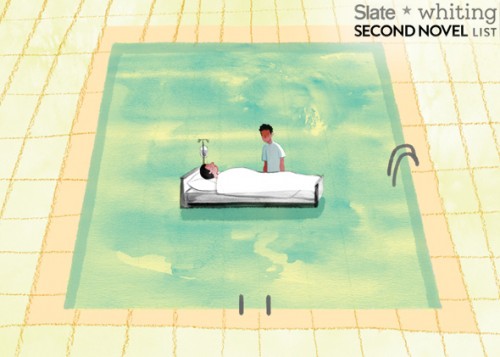
برادر بزرگتر موفق میشود که بورس تحصیلی یک دبیرستان معروف را بگیرد، اما پیش از شروع سال تحصیلی در شیرجهای به کف استخر، میخورد و دچار آسیب مغزی میشود و به کمایی طولانی مدت میرود.
با کمای او امیدهای خانواده و رویای زندگی آمریکایی هم به باد میرود.
داستان این کما و این که چطور از او مراقبت میکنند، از بین رفتن روابط خانوادگی و دعواهای پدر و مادر و حجم تنهایی و فشاری که به آجی هشت ساله وارد میشود، گاهی اوقات بیش از حد تصور است.
روابط آجی با پدر و مادرش و برادر در کما، خواننده را راحت نمیگذارد. پدر الکلی است، مادر دست به هر کاری میزند تا شاید پسرش به هوش آید و در شرایط کسی سراغ پسر کوچک خانواده نمیرود
آجی گاهی اوقات فکر میکند اگر برادرش بمیرد، او تنها فرزند خانواده میشود؛ گاهی خوشحال از این فکر و بیشتر مواقع از چنین فکری شرمسار. او با ‘خدا’ وارد مکالمه میشود. خدای او بیشتر شبیه سوپر من است تا کریشنا.
کتاب احساساتی نیست. نثر ساده، روان و راحتی دارد. آجی کوچک، راوی قصهای است که گاهی بیش از حد دردناک میشود. گاهی نیز خندهدار میشود اما خندیدن وسط آن همه تلخی احساس عذاب وجدان به خواننده میدهد.
There are many options available for utilizing HTML, CSS and JavaScript to create cross platform applications and I have covered many of them before. In this article I will look at NativeScript from Telerik that claims to be easier to create for cross platform apps than many existing options.
From their official documentation.
NativeScript enables developers to build native apps for iOS, Android and Windows Universal while sharing the application code across the platforms. When building the application UI, developers use our libraries, which abstract the differences between the native platforms.
In this tutorial we will create a simple app that searches for images on flickr and displays the results. We will make use of the flicker developer API to search images.
Source code from this tutorial is available on GitHub.
Install nodejs and then using the node package manager (npm), install native script.
npm install -g nativescript
After installing native script, create a new project called NativeApp.
tns create NativeApp
Navigate to the project directory and add the mobile development platform.
tns platform add android
Run the application on the android emulator.
tns run android --emulator


Inside the project folder there are 3 sub-folders: app, lib and platforms. The application source code resides in the app folder. Application code is written using JavaScript and the user interface designed using XML.
Inside the app folder is a file called main-page.xml which has the default user interface code. In main-view-model.js is the default model code and main-page.js defines the application logic. Finally app.js contains the code to start the application with the defined modules.
Let’s start by designing the app using XML. Open main-page.xml and look at the default code. Remove everything except the page tag. The Page tag has an attribute called loaded which executes the pageLoaded function once the app loads. The pageLoaded function is inside the main-page.js file.
This project will use a stack layout to design our app. There are a number of layouts offered by native script.
Inside the Page tag add the stack layout.
<StackLayout orientation="vertical">

</StackLayout>
Define the stack layout with a vertical orientation. Add a search text box and button inside the stack layout.
<TextField width="300px" hint="search keyword" />

<Button text="Search" height="50px" style="background-color:green;width:300px;border:none;font-size:20px;" />
Save changes and run the app. It should look something like the below.

Add an attribute called tap to the search button.
tap="signin"
Now, when the user taps the search button the signin function is called. Let’s define the signin function inside main-page.js.
exports.signin = function() {
  // Code would be here !
};
To use flickr’s developer APIs you will need a free account on flickr. Request an API key to make API requests.
In main-page.js define the API key.
var api_key = 'replacewithyourkey';
Calling the API will require the http module, so import the module into main-page.js.
var http = require("http");
Inside the signin function, and using the http module, now make the API call.
http.getJSON("https://api.flickr.com/services/rest/?method=flickr.photos.search&api_key=" + api_key + "&text=hello&format=json&nojsoncallback=1&per_page=5").then(function(r) {

    console.log(JSON.stringify(r));

}, function(e) {

    console.log(e);

});
The code above makes the API call with the search text hard coded for now, this will become dynamic later in the tutorial.
When running an app in the emulator you will need to run ‘adb logcat’ to check log messages.
Save changes and run the app on the emulator. Click the search button and the returned result from Flickr should be visible in terminal.
Next create the image url using the response returned and push the URL to the images array.
An observable array is required to create and detect changes to a collection of things. Bind this same observable array to the view so that the view updates whenever a change occurs.
To create the observable array, add these variable declarations to main-page.js :
var observableArray = require("data/observable-array");
var images = new observableArray.ObservableArray([]);
Based on the response returned from the API request, the next task is to create the flickr image URL. Detailed information can be found here about creating flickr URLs.
Next, we iterate through the returned data, create the image URLs and push to the images array. Add this code inside the signin function.
var imgUrl = '';

var photoList = r.photos.photo;

for (var i = 0; i < photoList.length; i++) {
    imgUrl = "https://farm" + photoList[i].farm + ".staticflickr.com/" + photoList[i].server + "/" + photoList[i].id + "_" + photoList[i].secret + ".jpg";

    images.push({
        img: imgUrl
    });

}
Once the data is in the images array, bind it to the UI. For displaying the data, create a ListView in main-page.xml, underneath the existing Button element.
<ListView>
    <ListView.itemTemplate>

        <Image stretch="fill" height="200px" />

    </ListView.itemTemplate>
</ListView>
Bind the images array to the list view and set the source of the image.
<ListView items="{{ images }}">
    <ListView.itemTemplate>

        <Image stretch="fill" height="200px" src="{{img}}" />

    </ListView.itemTemplate>
</ListView>
For the images array to be available across the view, set the images array in the observable module. Do this by importing an observable module and using it to create an observable object.
var observableModule = require("data/observable");
var pageData = new observableModule.Observable();
In the pageLoaded function, set the images array to the observable module and add the observable module to the page context.
function pageLoaded(args) {
    var page = args.object;
    pageData.set("images", images);
    page.bindingContext = pageData;
}
Using the same pageData observable object, the values from the search text box are readable. Modify the text field to add the text attribute.
<TextField width="300px" text="{{txtKeyword}}" hint="search keyword"/>
Inside the signin function, remove the hard coded hello search text and replace it with:
pageData.get('txtKeyword')
Save changes and run the app on the emulator. Click on the search button and images received from the Flickr API should be viewable. The request is for 5 images, so scrolling down should show all the images.

This tutorial demonstrates how to get started using NativeScript to create a simple mobile app. For detailed information about using NativeScript, I would recommend reading the official documentation.
Do you have had any mobile development experience using NativeScript? What’s your opinion about using NativeScript ? Let us know your thoughts, suggestions and corrections in the comments below.

//

expressions-of-nature

//